History Shorts makerOne strange afternoon from the past, told in under a minute
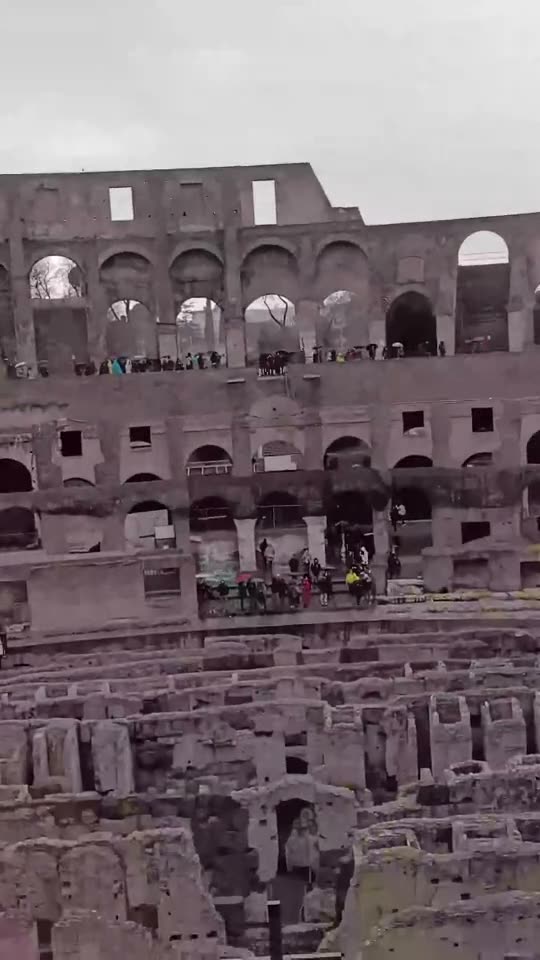
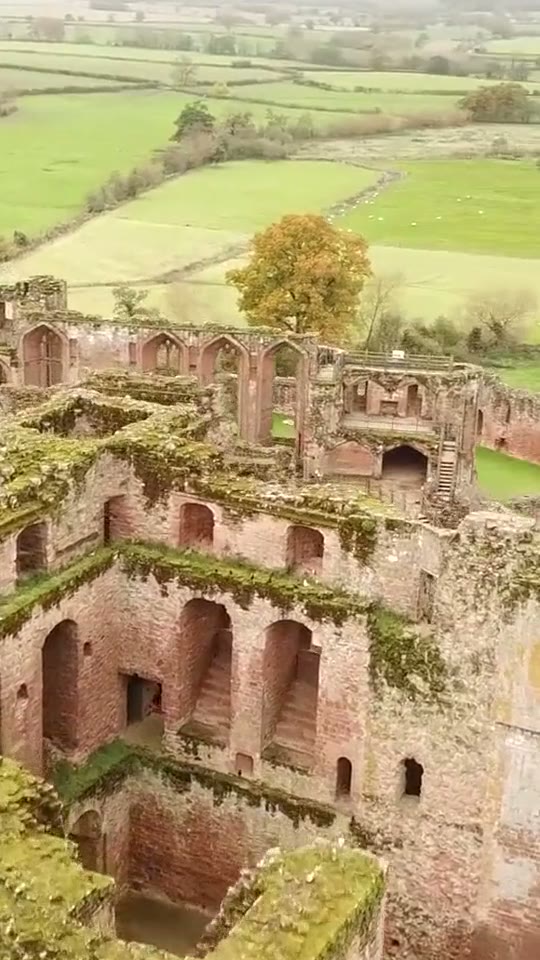
Give it an event, a ruler or a mistake. You get a story Short with a documentary look, a narrator and captions. Ask for it in Claude or ChatGPT and the script comes back scored before anything is made.
Ideas you can make today
Each one opens the studio with the idea typed in. Nothing is charged until you press the button with the price.
- The snowball fight that pulled in nine thousand soldiersMake this
- The general who lost a battle to his own drunk armyMake this
- The war fought over a single wooden bucketMake this
- The ship that sank twenty minutes into its first tripMake this
- The town that tried to put a plague of rats on trialMake this
- The king who was crowned two years after he diedMake this
The four moves of a history story
01
The deed
Someone does something odd, in the first three words: “A soldier threw one snowball.”
02
The stakes
What it led to, still in line one: nine thousand men, a lost war, a ruined city.
03
The question
Halfway through, the narrator asks what the viewer is thinking: why would anyone do this?
04
The callback
The last line returns to the opening object, so a replay runs straight into the hook.
From idea to history video in four steps
Describe it
One sentence is enough. Pick an idea from the list above, or write your own history video idea in the web studio or in a chat with Claude or ChatGPT.
Read the script, if you want to
In a chat, the script and its virality score always come back first, and you can change any line. On the web, Write script shows it before you make the video, or Create video writes and makes it in one go.
Say yes to the price
The credit price is on the button, or in the chat. Nothing is charged before you agree, and a failed render returns its credits.
Download and post
Remake one scene if it misses, then download the vertical MP4 and post it on your own channel.
A sample script and its virality score
The scorer FacelessWave runs on every script in the chat before the price, applied to the script below when this page was built. It scores the writing (hook, promise, loop, length and the script itself), not future views. Score your own script
- 1A soldier threw one snowball across a frozen camp in Virginia, and within hours nine thousand men were fighting because nobody would back down.
- 2That morning in January 1863, Texans packed hard snow and charged the Georgians camped next to them.
- 3Within the hour the Georgians struck back, with officers on horseback and drummers calling the moves.
- 4So why would an army play at war in the middle of a real one?
- 5The camps had sat still for weeks, and the men were cold and bored.
- 6The next day they counted black eyes and bruises.
- 7All of it started with one snowball.
95out of 100
- Hook35 of 40
- Promise15 of 15
- Loop15 of 15
- Length15 of 15
- Script15 of 15
What to change
- Bring the because or if clause of line 1 earlier, by about word 14.
Or ask for it in a chat
With the FacelessWave connector added to Claude or ChatGPT, this message starts the same video. The script and its score come back first; the Short is made after your yes and lands in the same library.
“Make a 30 second history Short about the snowball fight that pulled in nine thousand Confederate soldiers in 1863. Show me the script and its score first.”
Pick an event, not an era
“The Roman Empire” is a topic for a book. “The Roman emperor who made his horse a senator” is a Short. The best history ideas fit in one sentence and contain a person doing something you would not expect.
A useful test: could someone retell it at dinner in two sentences? If it needs a family tree or three treaties to make sense, pick a smaller piece of it, or make it as a 60 second Short and let the narrator take one beat per scene.
What the score looks for in a history script
History runs on the story formula, the same one used for scary and true crime stories. The hook is worth 40 of the 100 points: a person and a deed in the first three words, an odd detail early, and a danger or a cost joined with because, if, until or before. A line that opens with a year, “Did you know” or “Long ago” scores low until the event moves to the front.
The other 60 points go to the open question in the middle (the viewer should be wondering why before the answer comes), a last line that repeats a word from the first, narration that fills the length at a natural pace, and plain sentences told in time order with hinges like “That night” and “A week later”. The sample above scores 95; its one fix asks for the because clause a few words earlier.
Length and what it costs
Thirty seconds holds one event with a single turn, from 35 credits. Forty five seconds gives room for context and a second escalation, from 55 credits, and suits most battles and court cases. Sixty seconds, from 71 credits, is for stories with a real middle, such as a siege or an expedition that went wrong. The exact price for your video is on the button before you press it.
The price is on the button in the studio and in the chat before anything is made. If a render fails, the credits come back on their own, and if one scene comes out wrong you can remake only that scene at its own price.
Looks and voices that suit the past
The documentary look is the default for history: period costumes, warm light and a film texture. Oil painting reads well for kings, courts and anything before photography, and Vintage film for the last hundred years. Realistic people on screen mean you should turn on the platform's AI label when you post.
The professor and the storyteller voices suit the tone. Captions that show a full line help when the story is full of names that are hard to catch by ear.
Questions about history videos
More questions? support@facelesswave.com
Read before you make one
 How to make AI history videos: research first, then a scored script, then honest scenesA history Short lives or dies on two things a viewer can check: the facts and the scenes. This guide researches one true event, fixes its script from 84 to 97, and covers POV days and AI labels.
 How to write a YouTube Shorts script: two drafts taken from a low score to the topWe wrote two bad Shorts scripts on purpose, scored them, and fixed one part at a time until each reached the top of the scale. Every number here comes from FacelessWave's own scorer, and you can paste the same lines into the checker to see them.
 Video hooks, scored: 15 opening lines for Shorts and TikTok, from 6 to 40 pointsWe took two video ideas, wrote seven or eight first lines for each, and scored every one with the same code FacelessWave runs on every script. The numbers show what a hook needs, and why the rules change between a fact video and a story.
More formats to try
- Painted stickman
- Reddit stories
- AI stories
- Motivation
- Fun facts
- What if
- True crime
- 3D explainers
- Luxury and money
- Animals
- Travel and places
- Food and ASMR
- Riddles and brain teasers
- Life hacks
- Space
- Psychology facts
- Survival tips
- Myths debunked
- AI stickman
- Painted stickman
- Fruit dramas
- Talking objects
- History POV
- Kids rhymes
- Scary stories
Start with one idea and read its score.
Writing the script costs no credits; the video is made after you agree to its price.