3D explainer videosShrink the camera and fly it inside the thing you are explaining
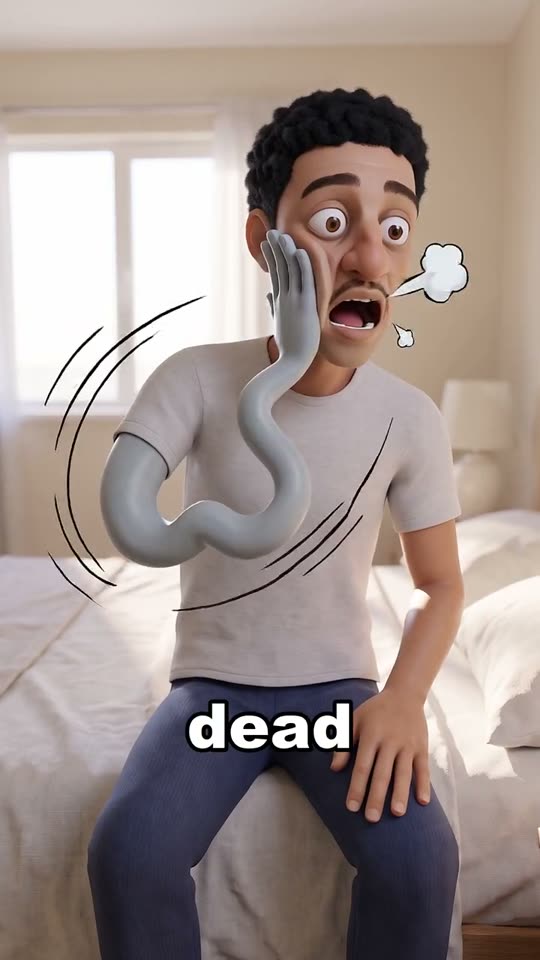
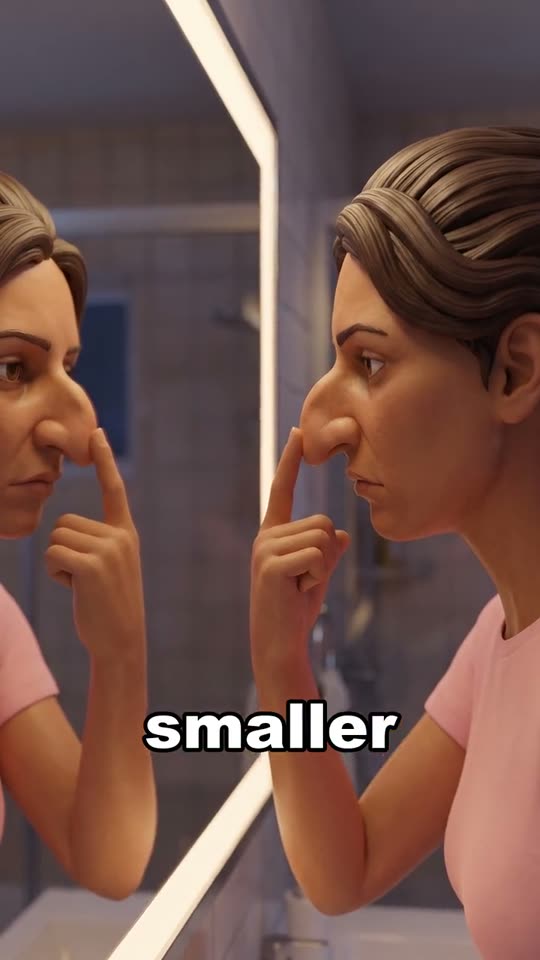
Ask how something works. A cartoon host has the problem, the camera zooms into their ear, lung or knee, and each step of the answer happens on screen in glossy 3D, narrated and captioned.
Example made for this page. Yours is made new from your idea.
Ideas you can make today
Each one opens the studio with the idea typed in. Nothing is charged until you press the button with the price.
The camera path of a 3D explainer
01
On the plane
The host on a plane, hand on their ear, while the question is asked.
02
Through the canal
The camera pushes through the ear canal toward the eardrum.
03
Behind the drum
The air pocket, the drum bending, the thin tube to the throat, one per scene.
04
Back in the seat
Back to the host as the pop happens, and the answer lands.
From idea to 3D explainer in four steps
Describe it
One sentence is enough. Pick an idea from the list above, or write your own 3D explainer idea in the web studio or in a chat with Claude or ChatGPT.
Read the script, if you want to
In a chat, the script and its virality score always come back first, and you can change any line. On the web, Write script shows it before you make the video, or Create video writes and makes it in one go.
Say yes to the price
The credit price is on the button, or in the chat. Nothing is charged before you agree, and a failed render returns its credits.
Download and post
Remake one scene if it misses, then download the vertical MP4 and post it on your own channel.
From our own channel
Shorts the FacelessWave team made for its own channel in this style. They were not made in the studio; a video you make here is made new from your idea.
What happens if you hold in a sneeze
29 seconds
How a mountain becomes a tunnel
32 seconds
What a brain freeze really is
23 seconds
A sample script and its virality score
The scorer FacelessWave runs on every script in the chat before the price, applied to the script below when this page was built. It scores the writing (hook, promise, loop, length and the script itself), not future views. Score your own script
- 1Why do your ears pop on a plane?
- 2Behind your eardrum sits a tiny pocket of air.
- 3As the plane climbs, cabin pressure drops and that pocket pushes the eardrum outward.
- 4On the way down, the outside pressure pushes it inward and your hearing goes dull.
- 5A thin tube links that space to the back of your throat.
- 6Swallow or yawn and the tube opens for a moment.
- 7Air rushes through, both sides match, and you hear the pop.
100out of 100
- Hook40 of 40
- Promise15 of 15
- Loop15 of 15
- Length15 of 15
- Script15 of 15
The scorer has no fixes for this script.
Or ask for it in a chat
With the FacelessWave connector added to Claude or ChatGPT, this message starts the same video. The script and its score come back first; the Short is made after your yes and lands in the same library.
“Make a 30 second 3D explainer about why your ears pop on a plane. Go inside the ear and show the eardrum and the tube to the throat, and show me the script and its score first.”
Plan the camera's route first
Every 3D explainer follows the same camera path: it opens on the host, zooms into the body or the machine, spends most of its scenes inside, then pulls back out for the ending. Write your script with that path in mind. The first line belongs to the outside world, the middle lines to the inside, and the last line to the host again.
Inside scenes are chained, each one starting from the frame before it, so the camera seems to travel through one continuous space. A line that jumps from the ear to the stomach breaks that trip, so keep each video inside one organ or one machine.
Questions that need a cutaway
The format earns its extra scenes when the answer is hidden. Why your ears pop, where a hiccup starts, what a cough does to the lungs: you cannot film any of these from outside. “Why is the sky blue” can be shown with a sky, so it suits Fun facts better.
Body topics work best, followed by machines with moving parts such as a car engine, a lock or a zip. Pick a cause you can draw as one clear motion: air rushing, a muscle pulling, a valve closing.
What the scorer wants from a why question
3D explainers use the question hook rules. A line such as “Why do your ears pop on a plane?” takes all 40 hook points: eight words, the subject in the first few, a question mark, you, and why, which counts as a curiosity word. Explainers rarely need a number in line 1.
The script part checks that no word crowds the middle lines. An explainer tends to repeat its key part (pocket, eardrum, tube) in every line; vary it, or the 15 points for a clean script are lost. The last line should name the effect from the first, here the pop.
Questions about 3D explainers
More questions? support@facelesswave.com
Read before you make one
 Video hooks, scored: 15 opening lines for Shorts and TikTok, from 6 to 40 pointsWe took two video ideas, wrote seven or eight first lines for each, and scored every one with the same code FacelessWave runs on every script. The numbers show what a hook needs, and why the rules change between a fact video and a story.
 How to write a YouTube Shorts script: two drafts taken from a low score to the topWe wrote two bad Shorts scripts on purpose, scored them, and fixed one part at a time until each reached the top of the scale. Every number here comes from FacelessWave's own scorer, and you can paste the same lines into the checker to see them.
 How long should a YouTube Short be? The limit, the one minute catch and how to cutYouTube lets a Short run for three minutes. That is a ceiling, and most stories are better well under it. Below are the rules that set the limits, the one that blocks longer Shorts with claimed music, and a script cut from a padded draft to a tight one, with before and after scores.
More formats to try
- Painted stickman
- Reddit stories
- AI stories
- History
- Motivation
- Fun facts
- What if
- True crime
- Luxury and money
- Animals
- Travel and places
- Food and ASMR
- Riddles and brain teasers
- Life hacks
- Space
- Psychology facts
- Survival tips
- Myths debunked
- AI stickman
- Painted stickman
- Fruit dramas
- Talking objects
- History POV
- Kids rhymes
- Scary stories
Start with one idea and read its score.
Writing the script costs no credits; the video is made after you agree to its price.