True crime ShortsDocumented cases, told as a story you can check
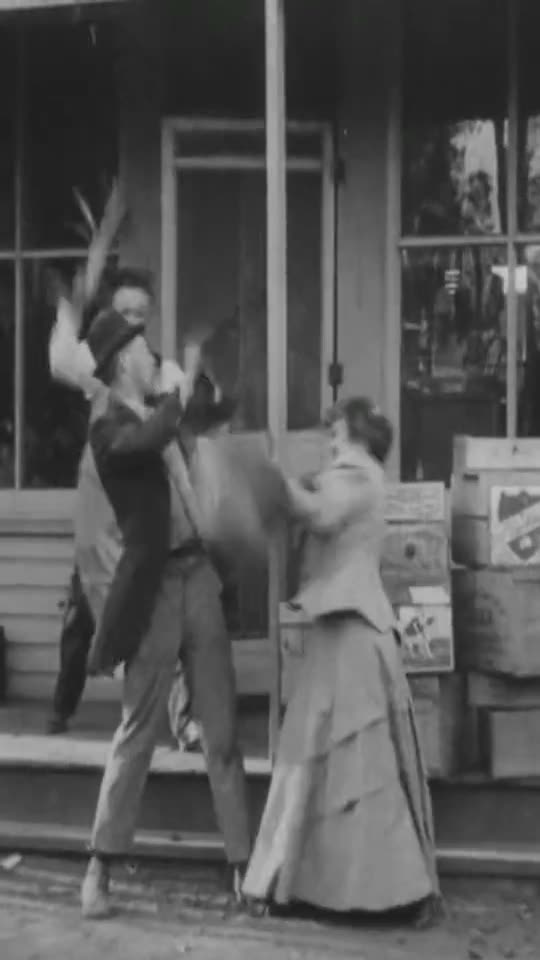
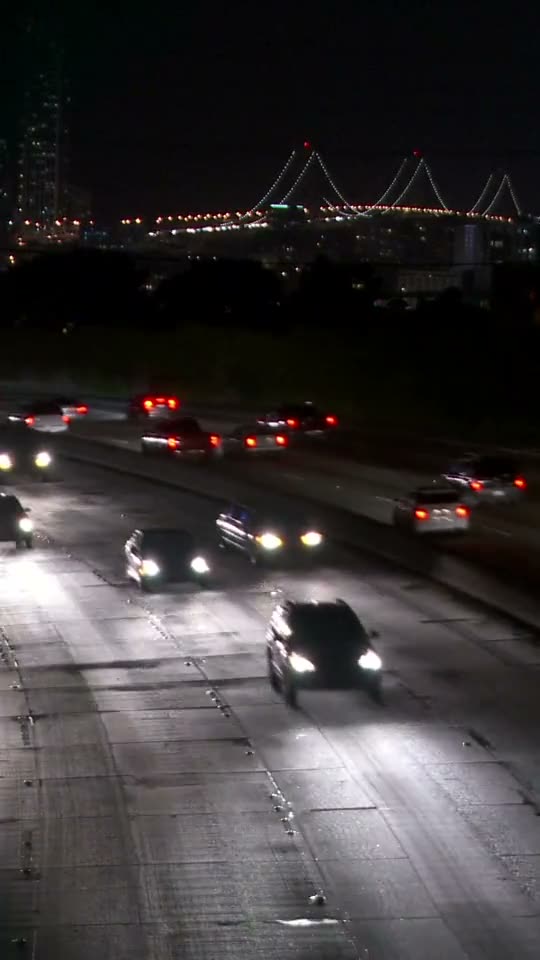
Name a case and the facts you trust. FacelessWave writes it in time order, a narrator you pick reads it, and every scene is reconstructed as AI video in a dark, cold look.
Ideas you can make today
Each one opens the studio with the idea typed in. Nothing is charged until you press the button with the price.
- D. B. Cooper and the note handed over on Flight 305Make this
- The Isabella Stewart Gardner Museum theft and its empty framesMake this
- How the Mona Lisa vanished from the Louvre in 1911Make this
- The Antwerp diamond heist and the half eaten sandwichMake this
- The Great Train Robbery of 1963 and the farm hideoutMake this
- The Lufthansa heist at JFK airport in 1978Make this
The order a case is told in
01
The act
Line 1 is the crime itself, the moment it began, with the threat in it.
02
The where and when
Date, place and the one detail that makes the setting clear, in line 2.
03
The trail
What investigators found, in time order, each scene a little later than the last.
04
The open file
Where the case stands today, closing on the person or object from line 1.
From idea to true crime story in four steps
Describe it
One sentence is enough. Pick an idea from the list above, or write your own true crime story idea in the web studio or in a chat with Claude or ChatGPT.
Read the script, if you want to
In a chat, the script and its virality score always come back first, and you can change any line. On the web, Write script shows it before you make the video, or Create video writes and makes it in one go.
Say yes to the price
The credit price is on the button, or in the chat. Nothing is charged before you agree, and a failed render returns its credits.
Download and post
Remake one scene if it misses, then download the vertical MP4 and post it on your own channel.
A sample script and its virality score
The scorer FacelessWave runs on every script in the chat before the price, applied to the script below when this page was built. It scores the writing (hook, promise, loop, length and the script itself), not future views. Score your own script
- 1A passenger handed one note to a stewardess: pay $200,000 or else the bomb in his briefcase goes off.
- 2It was the night before Thanksgiving in 1971, on a flight from Portland to Seattle, and he wanted four parachutes too.
- 3In Seattle the cash came aboard, the passengers walked off, and the plane took off again with the crew and him.
- 4That night, over the forests of southwest Washington, he lowered the rear stairs and jumped into the rain.
- 5So where does a man in a suit and loafers land, in the dark?
- 6The FBI searched for months and found nothing.
- 7Nine years later, a boy on a Columbia River beach found $5,800 in rotting twenties, and the serial numbers matched.
- 8No body and no parachute have ever been found.
- 9In 2016 the FBI ended its active investigation, and nobody knows the real name of the man who handed over that note.
100out of 100
- Hook40 of 40
- Promise15 of 15
- Loop15 of 15
- Length15 of 15
- Script15 of 15
The scorer has no fixes for this script.
Or ask for it in a chat
With the FacelessWave connector added to Claude or ChatGPT, this message starts the same video. The script and its score come back first; the Short is made after your yes and lands in the same library.
“Make a 45 second true crime Short about the D. B. Cooper hijacking in 1971. Use only facts from the FBI's own case page, and show me the script and its score first.”
Pick a case with a paper trail
A Short has no room for footnotes, so the facts have to be ones a viewer could look up in a minute. The D. B. Cooper hijacking works because the FBI publishes its own account: the date, the ransom, the four parachutes, the money found on the Columbia River in 1980. Every number in the sample comes from that record.
When two sources disagree on a detail, leave the detail out. A Short loses nothing by skipping a contested seat number, and it loses trust if the comments correct it.
The threat by word fourteen
The hook is 40 of the 100 points on the story formula, and crime has a natural fit for its danger rule. The threat itself is the clause: “pay $200,000 or else the bomb goes off” lands by word 13. A line that starts with the date (“In 1971”) scores low until the act moves to the front; the date can wait for line 2.
Investigations are told in order, which suits the script part. Lines that open on That night, Nine years later or In 2016 count as time hinges, and the scorer wants at least two.
People in the case are real
Write about victims the way their families would read it. Name them only when the case is famous for them, never invent their last words, and leave out the details of injuries. The Cooper case hurt nobody aboard, which is part of why it is told so often.
Suspects are a harder line. Many people have been named as Cooper over the years, and none was ever charged. A Short that says one of them did it states something the record does not.
Running time for a case
Forty five seconds is the common length: the act, the setting, the trail and the open file, from 55 credits. Thirty seconds, from 35 credits, fits a single heist with a quick ending. Sixty seconds, from 71 credits, gives room for a second suspect or a trial. The exact price is on the button, and a failed render gives its credits back.
Questions about true crime stories
More questions? support@facelesswave.com
Read before you make one
 How to write a YouTube Shorts script: two drafts taken from a low score to the topWe wrote two bad Shorts scripts on purpose, scored them, and fixed one part at a time until each reached the top of the scale. Every number here comes from FacelessWave's own scorer, and you can paste the same lines into the checker to see them.
 Video hooks, scored: 15 opening lines for Shorts and TikTok, from 6 to 40 pointsWe took two video ideas, wrote seven or eight first lines for each, and scored every one with the same code FacelessWave runs on every script. The numbers show what a hook needs, and why the rules change between a fact video and a story.
 How long should a YouTube Short be? The limit, the one minute catch and how to cutYouTube lets a Short run for three minutes. That is a ceiling, and most stories are better well under it. Below are the rules that set the limits, the one that blocks longer Shorts with claimed music, and a script cut from a padded draft to a tight one, with before and after scores.
More formats to try
- Painted stickman
- Reddit stories
- AI stories
- History
- Motivation
- Fun facts
- What if
- 3D explainers
- Luxury and money
- Animals
- Travel and places
- Food and ASMR
- Riddles and brain teasers
- Life hacks
- Space
- Psychology facts
- Survival tips
- Myths debunked
- AI stickman
- Painted stickman
- Fruit dramas
- Talking objects
- History POV
- Kids rhymes
- Scary stories
Start with one idea and read its score.
Writing the script costs no credits; the video is made after you agree to its price.