Psychology Shorts makerWhy people act the way they do, backed by a study
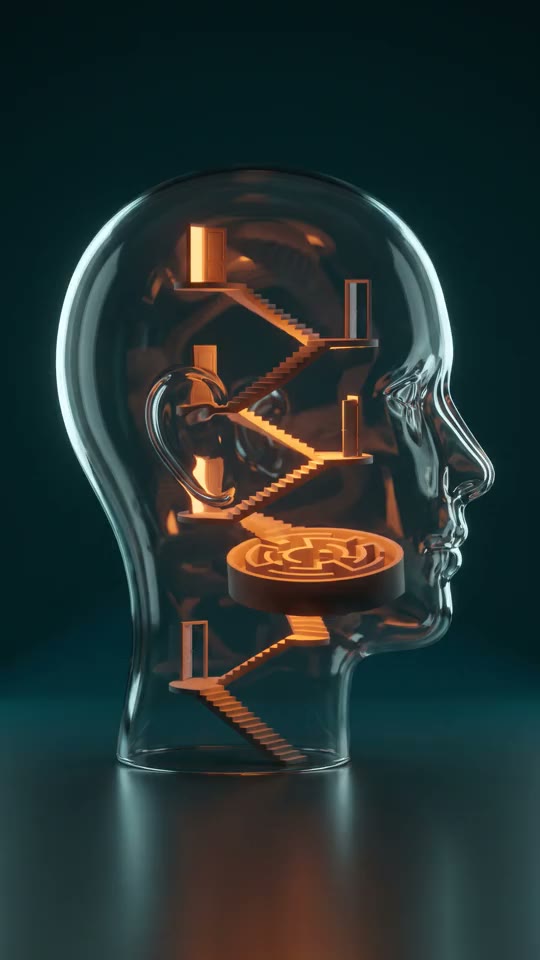
Name a habit or a feeling everyone knows. You get a narrated vertical Short that walks through the experiment behind it, what the researchers found and what it means on an ordinary day.
Example made for this page. Yours is made new from your idea.
Ideas you can make today
Each one opens the studio with the idea typed in. Nothing is charged until you press the button with the price.
- Why you remember unfinished tasks better than finished onesMake this
- The study where people chose a small electric shock over sitting aloneMake this
- Why a crowd makes each person less likely to helpMake this
- Why a price ending in 99 feels so much lowerMake this
- The reason your name jumps out of a noisy roomMake this
- Why people overrate how much others notice themMake this
The shape of a study explained in a Short
01
The feeling
Start with something the viewer has felt this week: everyone noticed my mistake.
02
The experiment
Who was tested, what they did, in one plain sentence.
03
The gap
What people expected next to what really happened, as two numbers.
04
The takeaway
Bring it back to the viewer's own day, using a word from the first line.
From idea to psychology video in four steps
Describe it
One sentence is enough. Pick an idea from the list above, or write your own psychology video idea in the web studio or in a chat with Claude or ChatGPT.
Read the script, if you want to
In a chat, the script and its virality score always come back first, and you can change any line. On the web, Write script shows it before you make the video, or Create video writes and makes it in one go.
Say yes to the price
The credit price is on the button, or in the chat. Nothing is charged before you agree, and a failed render returns its credits.
Download and post
Remake one scene if it misses, then download the vertical MP4 and post it on your own channel.
A sample script and its virality score
The scorer FacelessWave runs on every script in the chat before the price, applied to the script below when this page was built. It scores the writing (hook, promise, loop, length and the script itself), not future views. Score your own script
- 1How many people really notice your embarrassing shirt?
- 2In a Cornell study, students walked into a room in a shirt with a singer's face they found embarrassing.
- 3They guessed that about half the room would notice it.
- 4When the researchers asked the room, only about a quarter had.
- 5Psychologists call this the spotlight effect: we feel lit up while everyone else stands in their own light.
- 6Your own mistakes fill your whole view, so you assume they fill the view of everyone else.
- 7The others are busy thinking about their own hair, their own words and their own day.
- 8So the room noticed that embarrassing shirt about half as often as you feared.
96out of 100
- Hook36 of 40
- Promise15 of 15
- Loop15 of 15
- Length15 of 15
- Script15 of 15
The scorer has no fixes for this script.
Or ask for it in a chat
With the FacelessWave connector added to Claude or ChatGPT, this message starts the same video. The script and its score come back first; the Short is made after your yes and lands in the same library.
“Make a 30 second psychology Short about the spotlight effect and the Cornell embarrassing shirt study, with the real numbers. Show me the script and its score first.”
Lead with the viewer, then bring in the lab
Nobody stops scrolling for “a 2000 study on social perception”. They stop for “how many people noticed your shirt?”. Put the viewer's own experience in the first line, then move to the experiment in the second, once they care about the answer.
The best topics are small and common: replaying an awkward sentence at 2am, picking the middle price on a menu, forgetting a name the second you hear it. Each one has research behind it, and each one makes the viewer think of a person to send it to.
How this format gets its virality score
Psychology Shorts are scored with the question hook rules, not the story formula. The opening line earns the most when it is short (about eight words or fewer), names the subject in its first words, asks a question, talks to the viewer and holds a curiosity word such as why, actually or never. The sample opens with eight words and gets 36 of the 40 hook points; a number or a word like actually in that line would add the rest.
Outside the hook, the scorer looks at whether the subject is named in the first two seconds, whether the last line repeats a word from the first so the video loops, whether the length fits, and whether any line is broken or repeats the same word through the middle.
Say what a study found, and no more
Write the result the way the paper reports it: about a quarter noticed, against a guess of about half. Avoid turning a finding into a rule for life or a promise (“do this and people will like you”). Many famous results have been tested again with smaller effects, so “in one study” is more honest than “science proves”.
If the clip for the experiment scene shows the wrong setting, remake that one scene at its own price. The narration and the rest of the video stay as they are.
Questions about psychology videos
More questions? support@facelesswave.com
Read before you make one
 Video hooks, scored: 15 opening lines for Shorts and TikTok, from 6 to 40 pointsWe took two video ideas, wrote seven or eight first lines for each, and scored every one with the same code FacelessWave runs on every script. The numbers show what a hook needs, and why the rules change between a fact video and a story.
 Twelve faceless niches for Shorts, judged on ideas, hooks, risk and costA niche is worth picking when it can fill a year of videos with openings people stop for. This guide rates twelve faceless niches on that, plus the policy risk and the cost of each video.
 Viewed vs. swiped away: what the Shorts number measures and how to raise itViewed vs. swiped away tells you how often people stopped for your Short when the feed showed it. It judges the opening and nothing else, which makes it the easiest number to act on.
More formats to try
- Painted stickman
- Reddit stories
- AI stories
- History
- Motivation
- Fun facts
- What if
- True crime
- 3D explainers
- Luxury and money
- Animals
- Travel and places
- Food and ASMR
- Riddles and brain teasers
- Life hacks
- Space
- Survival tips
- Myths debunked
- AI stickman
- Painted stickman
- Fruit dramas
- Talking objects
- History POV
- Kids rhymes
- Scary stories
Start with one idea and read its score.
Writing the script costs no credits; the video is made after you agree to its price.