Luxury ShortsPick one price tag and tell how it got there
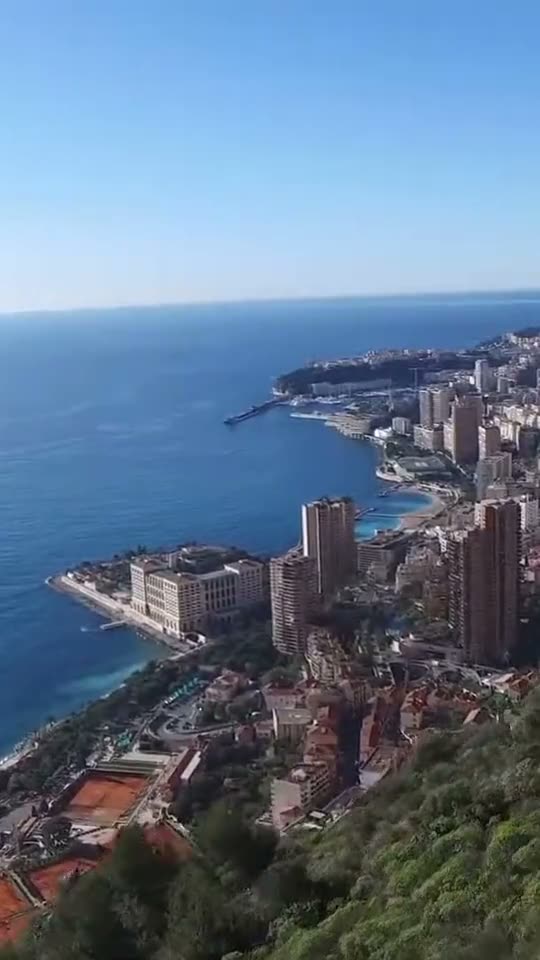

A painting that once sold for 45 pounds. A car that changed hands for a record. Give FacelessWave the object and the sale, and it writes the story of the price, narrates it and shows each step in a cinematic AI video clip.
Ideas you can make today
Each one opens the studio with the idea typed in. Nothing is charged until you press the button with the price.
- How a painting that sold for 45 pounds in 1958 made $450 million in 2017Make this
- Why the Hope Diamond glows red under ultraviolet lightMake this
- The 1955 race car that sold for 135 million euros in 2022Make this
- Why a Stradivarius violin can cost more than a houseMake this
- What the Pink Star diamond sold for in Hong KongMake this
- Why some watchmakers melt and pour their own goldMake this
The rise of a price, in four scenes
01
The record
Line 1 asks about the final price: “Why did one painting sell for $450 million?”
02
The bargain years
What the same object sold for once, when nobody believed in it.
03
The rediscovery
The restoration, the expert, the rumour that changed its value.
04
The hammer
The record sale, and a last line that sets the two prices side by side.
From idea to luxury video in four steps
Describe it
One sentence is enough. Pick an idea from the list above, or write your own luxury video idea in the web studio or in a chat with Claude or ChatGPT.
Read the script, if you want to
In a chat, the script and its virality score always come back first, and you can change any line. On the web, Write script shows it before you make the video, or Create video writes and makes it in one go.
Say yes to the price
The credit price is on the button, or in the chat. Nothing is charged before you agree, and a failed render returns its credits.
Download and post
Remake one scene if it misses, then download the vertical MP4 and post it on your own channel.
A sample script and its virality score
The scorer FacelessWave runs on every script in the chat before the price, applied to the script below when this page was built. It scores the writing (hook, promise, loop, length and the script itself), not future views. Score your own script
- 1Why did one painting sell for $450 million?
- 2In November 2017 a small panel of Christ called Salvator Mundi went up at Christie's in New York.
- 3In 1958 the same panel sold for 45 pounds, because experts thought a follower had painted it.
- 4In 2005 two dealers bought it for under $10,000, cleaned it and had it studied.
- 5Some scholars called it a lost Leonardo, and others still credit most of it to his workshop.
- 6In 2013 a private buyer paid $127.5 million for it, and four years later he sent it to auction.
- 7The auction house sold it as the last Leonardo in private hands, and the bidding ran for about 19 minutes.
- 8That is how a 45 pound painting became a $450 million one.
100out of 100
- Hook40 of 40
- Promise15 of 15
- Loop15 of 15
- Length15 of 15
- Script15 of 15
The scorer has no fixes for this script.
Or ask for it in a chat
With the FacelessWave connector added to Claude or ChatGPT, this message starts the same video. The script and its score come back first; the Short is made after your yes and lands in the same library.
“Make a 45 second luxury Short about the Salvator Mundi, from its 45 pound sale in 1958 to $450 million at Christie's in 2017. Show me the script and its score before the price.”
Every expensive thing has a cheap chapter
Lists of the ten most expensive watches are easy to make and easy to forget. A single object with a rise in its price is a story: the panel nobody wanted, the blue diamond cut down from a larger stone, the race car that sat in a factory museum for decades. The low point is what makes the high price feel earned.
Look for the sale where the object went cheaply, then the moment its value changed. Those two numbers are the backbone of the script.
No adviser voice, no promise
Luxury content drifts easily into telling the viewer how to get rich. FacelessWave refuses topics that ask the narrator to speak as a financial adviser, wealth manager or banker, and the format works better without it anyway. The viewer came to watch a price climb.
Keep the script about the object and the people who bid on it. Facts about a sale are checkable; claims about what an object will be worth next year are not.
Put the price in the first line
Luxury Shorts use the question hook rules. A short first line with the object named, a question mark, a number and why, a curiosity word, takes all 40 hook points, which is what the sample does with “Why did one painting sell for $450 million?”.
The loop part rewards a last line that repeats a word from the first, so the sample closes on painting and $450 million. Forty five seconds gives room for three sales and a dispute, from 55 credits; thirty seconds, from 35 credits, fits one sale and one surprise. The exact price is on the button.
Questions about luxury and money videos
More questions? support@facelesswave.com
Read before you make one
 Video hooks, scored: 15 opening lines for Shorts and TikTok, from 6 to 40 pointsWe took two video ideas, wrote seven or eight first lines for each, and scored every one with the same code FacelessWave runs on every script. The numbers show what a hook needs, and why the rules change between a fact video and a story.
 How to write a YouTube Shorts script: two drafts taken from a low score to the topWe wrote two bad Shorts scripts on purpose, scored them, and fixed one part at a time until each reached the top of the scale. Every number here comes from FacelessWave's own scorer, and you can paste the same lines into the checker to see them.
 How long should a YouTube Short be? The limit, the one minute catch and how to cutYouTube lets a Short run for three minutes. That is a ceiling, and most stories are better well under it. Below are the rules that set the limits, the one that blocks longer Shorts with claimed music, and a script cut from a padded draft to a tight one, with before and after scores.
More formats to try
- Painted stickman
- Reddit stories
- AI stories
- History
- Motivation
- Fun facts
- What if
- True crime
- 3D explainers
- Animals
- Travel and places
- Food and ASMR
- Riddles and brain teasers
- Life hacks
- Space
- Psychology facts
- Survival tips
- Myths debunked
- AI stickman
- Painted stickman
- Fruit dramas
- Talking objects
- History POV
- Kids rhymes
- Scary stories
Start with one idea and read its score.
Writing the script costs no credits; the video is made after you agree to its price.